

News
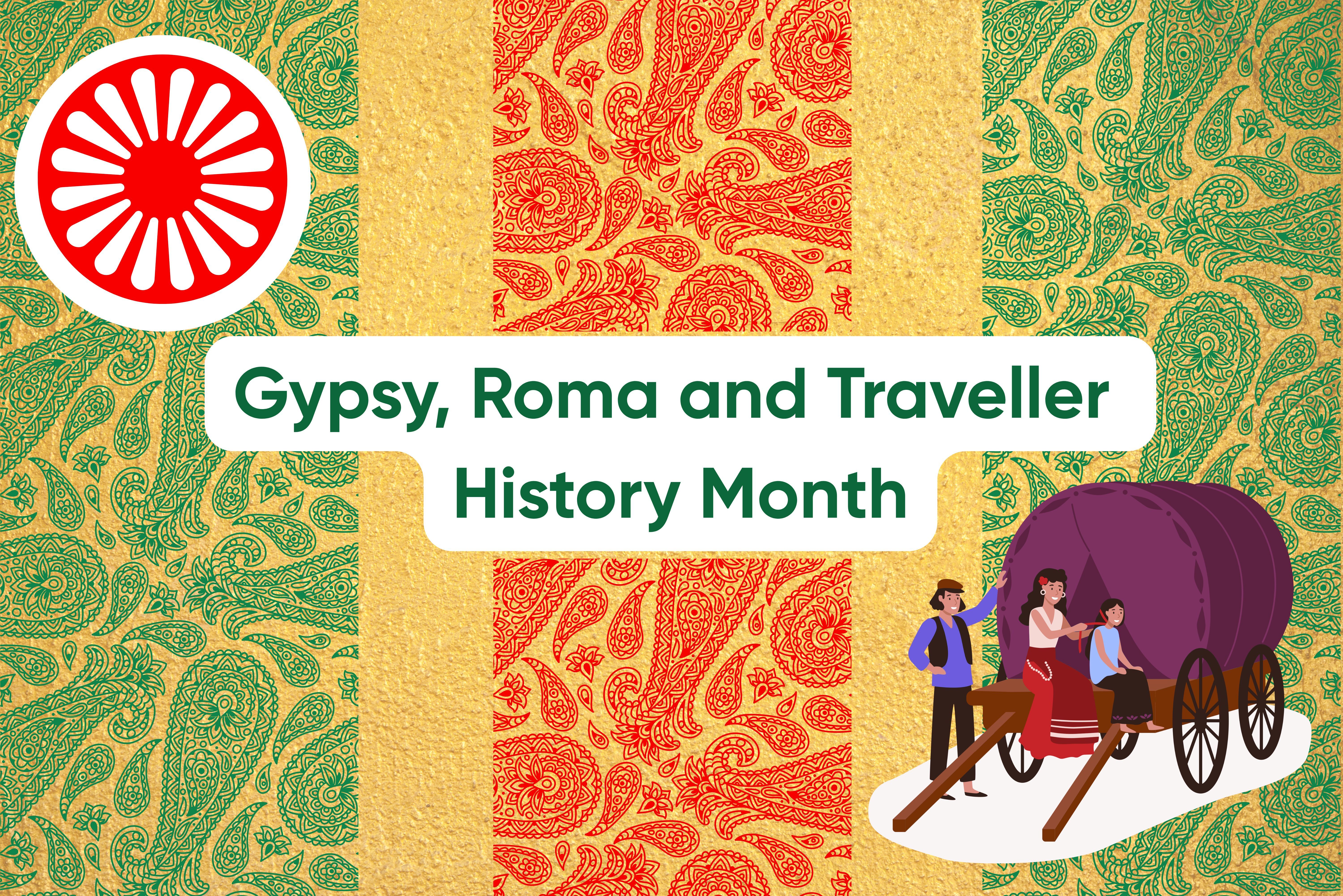
June is Gypsy, Roma and Traveller History Month
Share this page


Article written by PEN member Friends, Families and Travellers (FFT)
About Friends, Families and Travellers (FFT)
Friends, Families and Travellers (FFT) is a national charity seeking to end racism and discrimination experienced by Romany Gypsy, Roma, Irish Traveller and Traveller communities, regardless of ethnicity, nationality, culture or background. We support community members living both nomadically and in bricks and mortar accommodation.
Ultimately, we believe in and seek to protect the right to pursue a nomadic way of life.
Towards this mission, we work within an environment and societal structures that for too long have sustained significant barriers towards achieving full equity for Gypsy, Roma or Traveller people.
As part of working towards breaking down barriers, FFT has sought a multi-pronged approach towards engaging all ‘system change’ levers–from acting as Secretariat for the All Party Parliamentary Group on Gypsies, Travellers and Roma, to becoming a core member of the Health and Wellbeing Alliance, we recognise that change does not happen overnight or via one route.
Alongside our systems work, we run a Sussex-based Service Delivery team, offering dedicated outreach for Sussex’s Gypsy and Traveller communities. Within our service delivery programme, we provide a National Helpline to support community members across the UK.
At the core, we believe the best way to achieve change is to amplify the voices of the people affected by the issues at hand. We also believe that positive stories can be a well-received but oft-underutilised aspect of systems change.
Gypsy, Roma and Traveller History Month 2025
Since 2008, June has marked ‘Gypsy, Roma and Traveller History Month’, where we celebrate the rich histories, cultures and traditions of Britain’s Romany Gypsy, Roma, Irish Traveller and Traveller communities.
For 2025, we worked with one of FFT’s core steering groups to develop a theme that celebrates Gypsy, Roma and Traveller people–specifically, everyday people who inspire those around them. And so, our theme for this year is ‘Gypsy, Roma and Traveller ‘Heroes’ Month: Who inspires you?’
This theme created momentum for community members to speak directly about the people that make a difference to daily life and have a positive impact on the people around them.
Beyond Gypsy, Roma and Traveller History Month
Outside of June, we host a range of celebratory events, from our biennial FFT Awards (next one is in 2026!) to community-focused events like Stoneywish where community members and allies gather to celebrate and co-exist in an affirming environment.
While we tackle barriers and issues across a range of fronts, we could not do this without partnering with brilliant organisations across the UK.
Working with Choice Support's Public Engagement Network (PEN)
In partnership with Choice Support, we’ve been gathering insights from Gypsy, Roma, or Traveller people across England on experiences with health and social care systems. We undertake phone interviews, events, and regional focus groups, to engage meaningfully with community members.
We take great care to ensure that conversations with community members are significantly more relaxed than is typically associated with traditional interviews. This creates an inclusive, supportive and non-judgmental environment for people to share their experiences, and thus places community voices at the heart of our research.
Through these discussions and conversations, key concerns raised include barriers to accessing care, poor communication with frontline staff and health professionals more widely, and difficulties with GP registration and digital systems. Many people also highlight discrimination and a need for greater empathy and cultural competency within healthcare settings–we often hear respondents talk of not receiving the same level of support once services become aware of the individual respondent’s background (for example, living on a site).
That said, there have also been positive experiences shared. Midwifery services were frequently praised for their personalised and respectful approaches, and A&E departments received good feedback for their efficiency and care during emergencies.
With high instances of discriminatory and exclusionary practices within healthcare settings, what is generally considered a ‘basic’ level of service is often understood as ‘exceptional’ within the experiences of community members, as a result of the frequency of negativity that has come to define many Gypsy, Roma or Traveller people’s experiences of healthcare (and wider) settings.
Our focus groups explored a range of important issues, including:
• Health and maternity care information;
• Privacy and accessibility of health data;
• Barriers to services for children and vulnerable adults;
• Broader health and wellbeing challenges for Gypsy, Roma and Traveller communities.
Anyone who has tried to identify a qualitative and quantitative understanding of Romany Gypsy, Roma, Irish Traveller and Traveller people’s experiences of the health care system will have also identified a significant lack of cohesive and structured data.
By partnering with Choice Support, we hope to paint a picture of the state of healthcare in the UK, highlighting the experiences of Gypsy, Roma and Traveller people.
There is a variety of experiences, ranging from the worst to the best, but there is also a clear inequality in the spread of these experiences, with the majority resting on the ‘worse’ end of the scale.
With a clearer understanding of people’s experiences, we can collectively begin working towards developing health and social care systems that equally support not only people from Romany, Roma, Irish Traveller or Traveller communities, but inclusion health groups more widely.